Explore Serviced Apartments: Smart Living Guide & Key Insights
Serviced apartments are becoming a popular housing option for business travelers, remote workers, and families seeking flexible living. This guide explains what they are, why they matter, recent trends, legal considerations, and useful tools for smarter living.
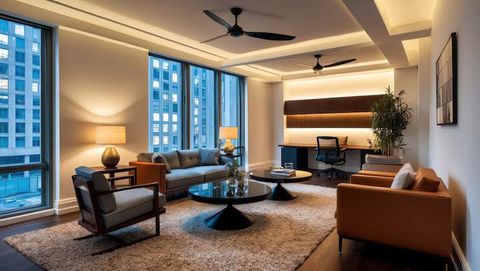
Serviced apartments are fully furnished residential spaces designed for short-term or extended stays. They combine the comfort of a home with amenities often associated with hospitality properties, such as housekeeping, utilities, Wi-Fi, and security systems.
These living spaces emerged to solve a growing need for flexible accommodation. Traditional hotel stays often feel limited for long-term residents, while standard apartment rentals may involve lengthy paperwork, deposits, and utility setup. Serviced apartments bridge this gap.
They are commonly used by:
- Corporate travelers on long assignments
- Remote workers and digital professionals
- Families relocating temporarily
- Medical travelers needing extended stays
- Students attending short academic programs
Today, serviced apartments are closely linked with high-value real estate terms such as property management software, corporate housing solutions, luxury accommodation, and rental analytics, which are widely searched in digital property markets.
Why Serviced Apartments Matter Today
Modern lifestyles have changed how people live and work. Hybrid work models, global mobility, and project-based assignments have increased demand for flexible housing.
Serviced apartments solve several common problems.
Flexibility
Residents can stay for weeks or months without the long commitment associated with traditional leases.
Convenience
Utilities, furnishings, and essential appliances are already included, reducing setup time.
Space Efficiency
Compared with hotel rooms, serviced apartments often provide separate living, kitchen, and work areas.
Lifestyle Support
People working remotely often prefer environments suitable for productivity and privacy.
The rise of remote work has also increased demand for smart home technology, digital access control, and tenant management platforms, making serviced apartments more advanced than before.
Serviced Apartment vs Traditional Housing
| Feature | Serviced Apartment | Traditional Apartment |
|---|---|---|
| Furnished | Yes | Often No |
| Utility Setup | Included | Separate Setup |
| Lease Flexibility | High | Lower |
| Workspace | Common | Depends |
| Maintenance | Managed | Tenant Responsibility |
This flexibility explains why serviced apartments are gaining attention in urban housing markets.
Recent Updates and Market Trends
The serviced apartment market has seen notable changes during the past year.
Growth in Remote Work Housing
In 2025, several major urban centers reported increased demand for long-stay accommodation due to hybrid work arrangements. Professionals increasingly choose temporary housing near business hubs rather than permanent relocation.
Smart Property Technology Expansion
From late 2025 into 2026, digital property management tools became more common. Key technologies include:
- App-based entry systems
- Automated energy management
- AI-driven occupancy analytics
- Digital identity verification
These technologies improve efficiency and resident convenience.
Sustainability Focus
Environmental awareness is influencing housing decisions. Many modern serviced apartments now integrate:
- Energy-efficient lighting
- Smart climate control
- Water-saving fixtures
- Renewable energy integration
Green buildings are becoming important in commercial real estate planning.
Global Demand Snapshot
| Region | Trend in 2025–2026 |
|---|---|
| Asia-Pacific | Strong growth |
| Europe | Stable expansion |
| Middle East | Premium segment growth |
| North America | Remote-work demand rising |
These trends show that serviced apartments are no longer a niche housing format.
Laws and Policy Considerations
Serviced apartments operate within legal frameworks that vary by country and city.
Zoning Regulations
Many governments classify serviced apartments differently from hotels or residential units. Local zoning laws determine where these properties can operate.
In cities with strict housing regulations, operators must follow occupancy limits and building usage rules.
Tax and Registration Rules
Some countries require:
- Resident registration for long stays
- Tourism tax compliance
- Commercial property taxation
- Tenant identity verification
These rules affect property operations and management.
Safety Compliance
Serviced apartments often must meet safety standards involving:
- Fire detection systems
- Emergency exits
- Electrical inspections
- Building security protocols
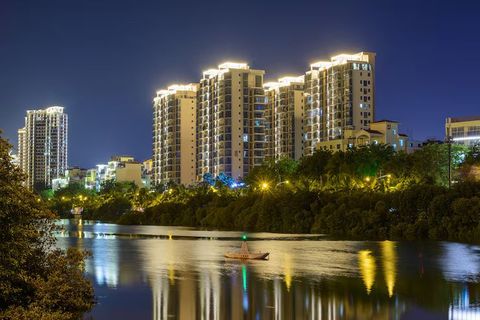
Safety compliance is especially important in high-rise residential buildings.
Government Housing Policies
In several countries, governments introduced stricter short-term rental regulations during 2025 to balance tourism and local housing availability. These policies may influence supply in city centers.
For residents, understanding local housing regulations helps avoid legal misunderstandings during extended stays.
Tools and Resources for Smart Living
Technology plays a major role in managing modern serviced apartments. Several digital tools make planning easier.
Rental Calculators
Rental comparison calculators help estimate monthly housing expenses including utilities and maintenance.
Useful outputs often include:
- Monthly occupancy estimates
- Utility projections
- Space comparison metrics
Property Management Platforms
These platforms assist with:
- Maintenance requests
- Digital check-in
- Lease documentation
- Communication management
They improve resident experience and operational efficiency.
Smart Living Apps
Modern living apps commonly support:
- Energy monitoring
- Access control
- Visitor management
- Facility booking
These tools improve convenience in large residential communities.
Budget Planning Templates
Digital budgeting templates help residents track recurring living expenses such as utilities, internet, and transportation.
They are especially useful for long-term temporary stays.
Frequently Asked Questions
What is the main difference between a serviced apartment and a hotel?
A serviced apartment provides residential-style living with larger spaces, kitchen facilities, and long-stay convenience, while hotels mainly focus on short stays.
Who typically uses serviced apartments?
Business travelers, remote workers, relocating families, and students commonly choose serviced apartments for temporary living arrangements.
Are serviced apartments suitable for long stays?
Yes. They are specifically designed to support extended stays by offering home-like comfort and practical amenities.
Do serviced apartments follow housing regulations?
Yes. They typically operate under local zoning, taxation, safety, and registration regulations, depending on the country.
Why are serviced apartments becoming more popular?
Growing remote work, flexible travel, and demand for convenient temporary housing have increased their popularity worldwide.
Conclusion
Serviced apartments represent an important shift in modern housing. They combine residential comfort with operational convenience, making them valuable for people who need flexible living arrangements. As remote work, smart building systems, and sustainable real estate continue to grow, serviced apartments are likely to remain an important part of urban housing ecosystems.
Understanding market trends, legal frameworks, and digital tools helps residents make informed decisions about flexible accommodation. For many people today, serviced apartments reflect the future of smart living.