Ultimate Guide to Private Island Resorts
Private island resorts have become a major part of luxury travel, offering privacy, natural beauty, and premium experiences. This guide explains how private island resorts work, why they matter, current trends, regulations, and useful planning tools
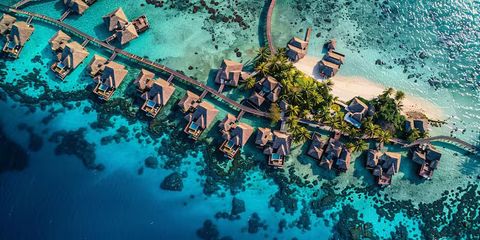
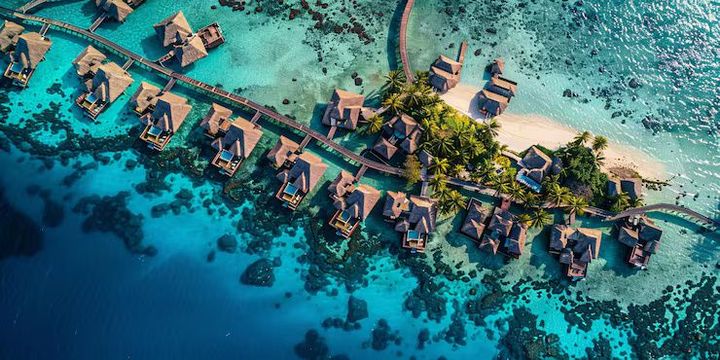
Private island resorts are exclusive hospitality destinations located on islands with controlled guest access. Unlike traditional beach resorts, these properties focus heavily on privacy, environmental preservation, and personalized experiences. Many are located in tropical regions such as the Maldives, the Caribbean, Southeast Asia, and the South Pacific.
The idea of private island tourism emerged from the growing demand for secluded travel experiences. Travelers increasingly sought destinations away from crowded cities and busy tourist hotspots. This demand encouraged hospitality developers to create isolated luxury resorts surrounded by ocean ecosystems.
Private island resorts typically include premium accommodation such as waterfront villas, overwater suites, eco-lodges, and wellness retreats. Many also emphasize sustainability, marine conservation, and eco-tourism practices.
The rise of luxury travel, premium hospitality management, and sustainable tourism investment has helped this segment expand globally. Today, private island travel is no longer viewed only as ultra-luxury; it has also become part of wellness tourism, remote work travel, and experiential tourism.
Why Private Island Resorts Matter Today
Private island resorts are increasingly important in modern tourism because they address several changing travel preferences.
Travelers today value privacy more than ever. After global travel disruptions in recent years, many people prefer low-density destinations that reduce overcrowding. Private islands naturally provide this advantage.
These resorts also support local economies in coastal regions by contributing to:
- Tourism infrastructure development
- Marine conservation initiatives
- Hospitality employment
- Sustainable energy adoption
- Environmental research programs
Another major reason these resorts matter is environmental awareness. Many islands now integrate renewable energy systems, desalination technology, solar power systems, and waste management solutions. These technologies reduce environmental impact while maintaining guest comfort.
The table below highlights key benefits of private island resorts:
| Factor | Why It Matters |
|---|---|
| Privacy | Controlled access reduces crowding |
| Wellness | Quiet surroundings support relaxation |
| Sustainability | Encourages eco-friendly infrastructure |
| Conservation | Protects reefs and marine biodiversity |
| Premium Hospitality | Enables highly personalized experiences |
Private island resorts also solve a major tourism challenge: overtourism. Popular destinations often struggle with congestion, pollution, and ecological stress. Controlled island tourism helps limit visitor volume and protect fragile ecosystems.
Recent Trends and Industry Updates
The private island resort industry has changed significantly during the past year.
Growth in Sustainable Luxury Travel
In 2025, eco-luxury tourism continued expanding rapidly. Many island resorts increased investment in solar microgrids, battery storage systems, and water recycling infrastructure. Sustainability certifications became more important in traveler decision-making.
Travel operators reported higher demand for carbon-conscious luxury travel, especially among younger travelers and long-stay guests.
Rise of Wellness Tourism
Since late 2025, wellness-focused travel packages have grown substantially. Private islands increasingly feature:
- Meditation retreats
- Marine therapy programs
- Digital detox experiences
- Holistic wellness spaces
Wellness tourism has become one of the highest-value segments in premium travel markets.
AI-Powered Travel Planning
In 2026, AI travel planning tools became more common. These tools help travelers compare climate conditions, travel seasons, route efficiency, and accommodation preferences.
Travel analytics platforms now use predictive algorithms to optimize trip planning for island destinations.
Remote Work and Extended Stays
Another major trend is extended-stay tourism. Professionals working remotely increasingly choose private island environments for longer stays due to peaceful surroundings and premium digital infrastructure.
A simple trend comparison is shown below:
| Trend | Growth Direction |
|---|---|
| Eco Tourism | High |
| Wellness Travel | Very High |
| AI Planning | High |
| Remote Work Travel | Growing |
Laws and Policies Affecting Private Island Resorts
Private island resorts operate under strict legal frameworks that vary by country.
Governments regulate island development to balance tourism growth with environmental protection. Common regulations include coastal zoning, marine biodiversity protection, and construction permits.
Environmental Regulations
Many countries require environmental impact assessments before new island resort development. These assessments evaluate:
- Coral reef impact
- Waste disposal systems
- Water consumption
- Coastal erosion risk
These rules help prevent ecological damage.
Marine Protection Policies
Protected marine zones restrict activities near coral reefs, turtle habitats, and fisheries. Resort operators must comply with marine conservation standards.
Countries with strong marine tourism regulations often impose strict sustainability reporting requirements.
Tourism Licensing
Hospitality operators must comply with tourism licensing laws, safety standards, and emergency preparedness regulations. These policies help protect travelers and maintain destination quality.
Climate Adaptation Policies
Because islands are vulnerable to climate change, many governments introduced climate resilience policies in 2025 and 2026. These include guidelines for renewable energy integration, flood management, and coastal protection infrastructure.
Such policies increasingly shape how private island resorts are planned and maintained.
Tools and Resources for Planning
Several tools help travelers and researchers better understand private island tourism.
Travel Planning Tools
Digital trip planners help organize itineraries, climate analysis, and seasonal planning. These tools assist with comparing destinations based on weather and accessibility.
Weather and Climate Trackers
Weather forecasting platforms help analyze rainfall, cyclone seasons, and ocean conditions before travel.
Useful metrics include:
- Average temperature
- Humidity levels
- Rain probability
- Storm risk
Budget Calculators
Luxury travel calculators help estimate major expenses such as transport, accommodation, dining, and activities. These calculators improve trip planning accuracy.
Sustainability Rating Platforms
Eco-rating systems assess resort sustainability performance using metrics such as energy efficiency, water conservation, and carbon management.
These resources help travelers make informed decisions based on environmental priorities.
Frequently Asked Questions
Are private island resorts only for luxury travelers?
Not always. While many are premium destinations, some private island properties focus on eco-tourism and nature-based experiences with broader accessibility.
Are private island resorts environmentally friendly?
Many modern resorts prioritize sustainability through renewable energy, water recycling, and conservation programs, though environmental performance varies by location.
Which regions are popular for private island resorts?
Popular regions include the Maldives, the Caribbean, Fiji, Indonesia, and the Seychelles due to tropical climates and marine biodiversity.
Do private island resorts support remote work?
Increasingly yes. Many now provide strong internet connectivity and long-stay infrastructure for remote professionals.
How does climate change affect private island resorts?
Climate change creates challenges such as sea-level rise, coastal erosion, coral bleaching, and stronger storms, influencing future island development.
Conclusion
Private island resorts represent a major shift in global travel, combining privacy, luxury hospitality, and environmental awareness. Their popularity continues to grow as travelers seek peaceful, nature-focused experiences away from crowded destinations.
Recent developments such as sustainable energy adoption, wellness tourism, and AI-based travel planning are transforming this sector further. At the same time, environmental regulations and climate policies play a critical role in protecting fragile island ecosystems.